Nikola Tesla’s Wireless Electricity Dream: Why It Busted (and What Might Still Happen)
Picture this: your phone charges right in your pocket. No tangled cords. No clunky plates. And electric cars? Juicing up while you’re zooming down the highway. Pretty cool stuff, huh? That was Nikola Tesla wireless electricity, his big dream. Almost happened. But, well, still a dream, mostly. So, what busted it? And can we ever snag that kind of magic for our lives?
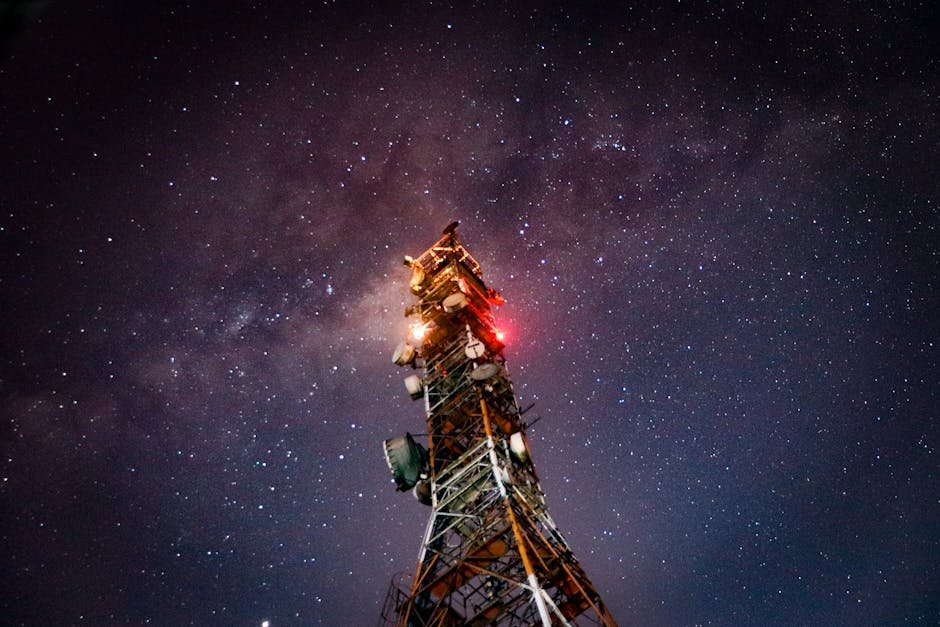
Nikola Tesla pictured a world where electricity came straight from towers, no wires
Tesla, total genius. Way ahead of his time, probably. Had tons of patents, gave us stuff we literally can’t live without. But this one thing, maybe his biggest, just stayed a dream. He saw towers everywhere. Not just for talking – an old-school internet, kinda. But for slinging free, wireless electricity to everyone. Everywhere.
Game-changer. Seriously. If he’d actually pulled it off, everything would be so different right now.
Tesla’s first ideas, like the Wardenclyffe Tower (White Tower), aimed to show off wireless talking and power
He wasn’t just daydreaming. He was building. Back in 1901, Tesla kicked off work on the very first tower, that famous Wardenclyffe Tower, yeah, the White Tower. Not just sketches. He genuinely planned to prove it worked, zapping messages to ships way out at sea. Even across whole oceans. And the big finish? Showing that electricity could scoot across the air just as easy.
Tower’s almost done. Then a big silence. Funding gone. Project got binned. Never got its chance. That big proof? Nope. Didn’t happen. Why? Physics. Plain and simple.
Global wireless power faces fundamental problems with losing energy and keeping people safe
And yeah, even today, we’re still kind of chasing this crazy idea. The reason we don’t have worldwide wireless power? Total downer, honestly. See, electricity, it just likes to follow a path. Cables? We got those figured out. Sure, you lose some juice as heat, but wires are still the top dog for moving power from here to there.
Wanna ditch the wires? Got two ways to do it. You could just spray power everywhere, praying some hits. A total waste. Imagine filling a car with a fire hose from fifty feet away. Most of it’s just gone. Or, you beam it. Super focused. But then? What happens if somebody walks into that beam? Really bad news. So, you gotta shield it. And what’s a protected channel for power? A stinking cable.
The classic Tesla coil? Shows it great. It grabs high current, zips it into massive voltage. Makes this throbbing magnetic field that can light up a bulb close by. Super neat trick. But try lighting bulbs right across a whole room…you’d need a giant coil. And the sheer power coming off it? You really wouldn’t want to be anywhere near that room. Plus, its reach is minuscule. Seriously small. And another thing: double that stretch, the power drops six times.
Our current wireless charging gear only works at super short ranges and still needs cords
Now hold on. We do have wireless electricity in our daily grind, okay? Like phone chargers. Or those electric toothbrushes. Everywhere, right? But. They only do their thing when gadgets are practically touching. A few inches, at most. Maybe just a couple of little centimeters.
That’s near-field energy moving right there. Totally different from Tesla’s worldwide idea. And your “wireless” charger? Still got a cord going to the wall. It just cuts the cable to your phone, not off the grid entirely. Folks are always trying to stretch the reach, but the core problems stick around. A huge challenge.
Other ways of moving energy wirelessly, like sound waves, 5G, and lasers, run into the same problems
People have definitely tried other directions. Companies even said they could turn sound waves into electricity. (Spoiler: didn’t work). There’s chatter about 5G signals charging up tiny gadgets. Others mess with different wave types or even lasers for juice delivery.
But here’s the kicker: all these ideas hit the same brick walls as the first one: power leaking everywhere and, you know, safety. The basic laws of how magnets and electricity work? They haven’t changed since Tesla’s walkin’ around. Unbreakable then. Unbreakable now. Physics has its ways. And we’re stuck with ’em.
Tesla thought Earth and the atmosphere were good power lines, and that was a big error in his wireless plans
So, why did a brainiac like Tesla miss the mark? He didn’t have all our fancy science and tech. A huge chunk of his theory rested on the idea that both Earth and its air were just great for zipping electricity around. Lots of smart folks in his day thought the same.
He pictured his towers laying down an “electric blanket” right through the dirt and sky. Things could tap in. Planes and ships? Powering up from the air. But here’s the raw truth: air and land? Pretty good insulators, actually. His whole tower plan launched on a huge misunderstanding from day one. Honestly, if quantum physics – the stuff about how energy works on a super small scale – had existed back then, Tesla himself would’ve realized his mistake.
Quantum batteries might, way out in the future, bring parts of Tesla’s dream to life
So, is the whole darn dream totally dead? Not really. A worldwide, totally free, no-cords electricity thing might seem impossible. But future tech? It could totally spark a new kind of wireless power. Remember those quantum batteries we mentioned? They’re still a headache with major hurdles. Still, a tiny bit of hope, maybe.
And, yeah, our phones probably won’t just charge from thin air. But maybe electric cars will automatically juice up when they’re sitting in specific parking spots. No plugs needed. The big, wild vision of Nikola Tesla wireless electricity, exactly how he cooked it up? Might just be out of reach forever. But hey, who actually knows? Some other, totally wild solution might pop up one day, letting us grab a tiny slice of that epic dream.
Burning Questions
Q: So, what was the big deal with the Wardenclyffe Tower?
A: That tower, the White Tower they called it, was Tesla’s first try. It was supposed to show off wireless messages (like a super old internet). And the ultimate goal? Worldwide wireless power.
Q: Why’d the Wardenclyffe Tower project fall apart?
A: Money dried up. The backers pulled all the cash before the tower was actually finished and could prove its stuff.
Q: What was the main mistake in Tesla’s wireless electricity idea?
A: Tesla really thought the Earth and its atmosphere were awesome at moving electricity around. But today’s science? Turns out they’re actually pretty good insulators. His whole spread-the-power method just wouldn’t work.