Biosphere 2: Arizona’s Wild Ride! Human Experiment. Climate Spot. (Great for a Cali Road Trip, BTW)
Ever wonder what happens when people try to make a whole new Earth… in a glass box? Just head east, past California. Deep into the Arizona desert, in a town called Oracle, you’ll hit Biosphere 2 Arizona. Seriously. Not some cheesy tourist trap. This thing? A massive engineering deal. A wild, huge experiment. Eight folks got trapped in this sealed, tiny world. For two whole years. Sounded like a space thing, right? Turned into total drama. Big time.
Biosphere 2: Huge Engineering. Space Dream Gone Wild
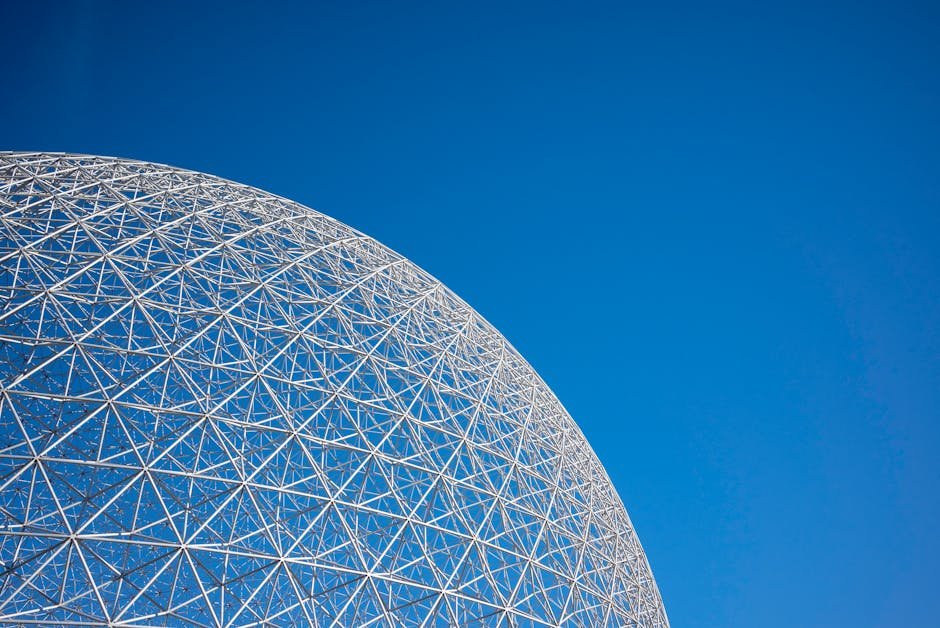
Nobody built this overnight. Nope. From ’87 to ’91, they dumped almost $200 million into the Arizona dirt. Picture this: a giant steel skeleton. Thousands of shiny glass panels. All meant to be its own, sealed-off world. Totally self-sustaining. Like something from a movie. Science fiction.
The big idea? Copy Earth, our “Biosphere 1.” Like a test run for Mars or maybe the Moon. John Allen, the guy who dreamed it up? A real character. Part showman, part nature enthusiast. He had vision. And Ed Bass, an oil billionaire, had the cash. Blew it all on this.
So, inside? They built everything. A rainforest, tall as 25 meters, stuffed with Amazon plants. A huge ocean, 3.4 million liters, with real coral. A swampy mangrove spot. A foggy desert too. Even farm plots. All under one massive glass dome. Shut tight. Nothing in from outside. No air. No water. Absolutely no food beyond what they grew. Just solar energy came in. Data and power went out. A closed loop. Wild.
Engineers went nuts. They made these huge “lungs.” Helped the glass. Stopped it from blowing apart when the air pressure inside shifted. This place? It actually breathed. So cool. Super wild. Right there in the desert. Like a mini-planet.
First Try (91-94): Oxygen Went Bad. Food Vanished. People Went Nuts. Biospherians, Yikes
So, September 26, 1991. Eight “Biospherians” – four women, four men – walked into that airlock. All in navy jumpsuits. Everyone was pumped. Absolutely thrilled. They waved at hundreds of people. The giant steel door? Hissed shut. Boom. Sealed. Earth was just a blurry view. For two years. Separated by glass. A whole world away.
But, yeah, good times didn’t last. Nope. Right away, stuff went south. The good soil inside? It just sucked up oxygen. Like crazy. And made CO2. And another thing: nobody realized it then, but the floor they were walking on? Basically planning to choke them out. Slowly.
Then, surprise! El Niño showed up. Cloudy sky. Condensation. Desert dust all over the glass roof. Total “blackout.” Plants? Couldn’t make oxygen. So. Less oxygen. Crops died. Their fake paradise just turned into a fight for life. Fast.
People were starving. Like, always hungry. They were supposed to get 2,500 calories a day. But nah. Closer to 1,700 or 1,800. And just sweet potatoes and beets. All the time. Their skin? Turned orange. People dropped 13-18 kilos. Easy. And then? Food disappeared. People started accusing each other. Locked cabinets. Secret food stashes. Complete paranoia.
The air, man. That was the worst. Oxygen levels dropped. From 21% (normal Earth stuff) to a scary 14.2%. Imagine breathing at super high altitude. Gasping just to walk. Waking up choking. Hard to even finish. A sentence. These walls. Supposed to keep them safe. But they were doing the opposite. Killing them. Slowly.
Pressure? Insane. Inside and with each other. The whole team broke up into camps: “twos” vs. “sevens.” They’d eat dinner together. Couldn’t even talk. Eye contact? A fight. Jane Poynter, one of them, said people were spitting. Psychologists call it isolation syndrome. Basically a frozen war in there. Brutal.
One person broke a finger. Had to leave. For a doctor. Messed everything up. A massive breach. Later? Rumors started. Extra stuff might’ve gotten in with her. Official word: the “perfectly closed system” was a bust. Totally.
Oxygen got super low. They had to make a hard choice: pump in outside oxygen. Did it. Lifeline! Everyone felt better. But, it pretty much signaled the end. No more “self-sufficient” bragging. Biosphere 2? Just a show. A failed one. Two years later, September 26, 1993. A skinny, exhausted, pissed-off crew came out. Desert air usually smells great. To them? Like exhaust. Wild.
From Crazy Start to Big-Shot Research Spot: Columbia? UofA?
That first mission ending? Major drama. Ed Bass, the dude who dumped millions in? He got headlines about fakes and fraud, not prestige. So, he hired this totally no-nonsense Wall Street banker, Steve Bannon. Yeah, that Steve Bannon, later big in the White House. To clean things up. Ruthless.
Bannon tossed out the old crew. Locked up all the data. Killed the old key cards. He wanted to ditch the “cult” stuff. Make Biosphere 2 a legit science thing.
Even with all that mess, a second mission happened. Ran for six months. But system got messed up bad. Old Biospherians, scared for the new crew under Bannon, supposedly broke in. Opened the airlocks. Sabotage! They got arrested. Charged. But said it was a rescue. The whole “closed system” idea? Dead.
Late ’94, Biosphere 2 was empty. A ghost town. Looked like a giant monument to just, well, failing. Developers started eyeing it. Thinking luxury homes. Strip malls. For real scientists? A total nightmare.
But then, in ’95, heroes showed up: Columbia University. They grabbed the keys. No more human drama. Just science. They changed direction. Not about humans in a box anymore. It was about studying global warming. What happens to stuff like coral, forests, and farms when CO2 goes nuts?
For seven years, Columbia did some super smart research. Pumped up CO2 on purpose. Like, what if Earth was like this? They watched how the ocean got more acidic. Published in big mags like Nature and Science. Real science. But, boy, it cost. Keeping that glass cool in the Arizona sun? Circulating the ocean? A $2 million electric bill each year. So, in 2003, Columbia left.
Biosphere 2 just sat there. Four years. Total limbo. For sale. Developers were still circling. Wanted to rip it down. But then! A local hero. The University of Arizona (UofA) jumped in. It was 2007. And guess what? Ed Bass (yep, him again) chipped in a huge $30 million. UofA’s mission? Keep the science alive.
By 2011, the whole thing belonged to the UofA. This was its real comeback. The old farm spots, where people nearly starved? Now the LEO. Super fancy, multi-million dollar setup. Huge steel trays. Volcanic dirt. Thousands upon thousands of sensors. Watching every drop of water. No more silly space dreams. This was hardcore, super-tech Earth science. Brutal.
Biosphere 2 Today: Real Science. Plus, You Can Visit!
So, now? That huge glass building is still there. In Oracle, Arizona. Looks impressive. The doors? Not locked. About 100,000 people visit every year. They walk where folks used to fight for food and just gasped for air. Wild to think about.
UofA runs it now. Biggest controlled lab anywhere. The ocean? Still gorgeous. But it’s for crucial climate research, not keeping people alive. Such a cool place. Combines super smart science with a wild history. Definitely go check it out. If you’re driving through the Southwest. Unique.
Major Takeaways: Nature’s Tough. Tech Has Limits. People Go Nuts Alone. Big for Space
Biosphere 2? Not just an old building. It’s a giant, flashing warning. For Elon Musk, for NASA. For everyone doing space stuff. We figured it out the hard way: tech doesn’t always win against nature. And you can’t just buy a planet.
They built it tough. Strongest steel. Tightest glass seals you could imagine. But. Invisible bacteria in the soil? Sucking up oxygen. They missed that. Or uncured concrete. Turns out, it sucked air too. And tiny bees. They got confused by the glass. Didn’t pollinate. The hidden stuff. The unexpected pieces. That’s what broke it. On Mars? Could be the dirt. Or gravity messing with blood flow.
And human stuff. Don’t even get me started. The total mental meltdown of those Biospherians? NASA just eats that up. Still studies it for long space trips. Because when you’re trapped? With nowhere to go? Groups just break down. Animal instincts kick in. People make enemies. Hoard food. The danger outside? Didn’t bring them together. It ripped them to shreds. Nuts.
Did they just waste $200 million? Most smart science folks say no way. It was a failure that worked. Because it showed us. Clearly. What definitely doesn’t work. Period.
The big lesson, from the Biospherians themselves? When they looked out. Saw a bird flying. Wind in trees. Yeah, they cried. Biosphere 2? Just a fake. The true awesome stuff? Outside. Earth. Biosphere 1. It just gives us oxygen. Cleans water for free. Makes our soil rich. We blew millions trying to copy it. And we failed. Badly. Started as an engineering cool thing. Ended as, like, a deep thought. No backup planet. Period. Gotta take care of this one.
Road Trip Idea! Cali to the Southwest? Go Here
Yeah, it’s Arizona. But for us Californians? It’s a killer road trip. Just pack your stuff. Hit the road. Head east. You’ll see some incredible Southwest views.
It’s science cool. And a crazy human story. Really. Not just a lab. Shows what we try to do. Our dumb mistakes. And how tough we are. Plus, the drive isn’t bad. So, next time. Need a trip? Head to this desert marvel. Worth it. Definitely.
Frequently Asked Questions
What was Biosphere 2 even for at first?
Pretty much, they wanted to make a sealed-off mini-world. Like a blueprint for humans to live on Mars or the Moon. Project leaders hoped to prove people could survive totally on their own in a place like that.
Why’d the first human experiment go so wrong?
Man, big problems. Oxygen just disappeared, sucked up by tiny bugs in the dirt and the concrete. And food? Super scarce. Crops kept failing. All that led to serious stress, both body and mind. The whole group fractured. Fast.
Who runs Biosphere 2 now, and what are they doing?
Today, the University of Arizona is in charge. It’s a huge, active research hub now. Mostly focused on climate change. Checking out what happens when CO2 levels rise in different environments. And hey, it’s a neat place for tourists to learn too!