Porsche 996 California Road Trip: Iconic Drives & That M96 Engine Truth
Thinking about a Porsche 996 California cruise? Hitting the twisty parts of Malibu Canyon or just cruising Highway 1 in this, uh, interesting classic? Sounds like a dream, right? But hold up, gearhead. Before you drop serious cash on what people call the “fried egg” Porsche, you gotta know the real lowdown. Because it’s not just about how it looks. It’s a car that saved a whole brand, but man, it came with some baggage.
Gotta Get the 996’s Mechanical History
Look, we gotta talk engines. Specifically, the M96. It’s infamous for a few ticking time bombs. Just picture German engineering, purebred, taking a dive on the freeway. All because of a cheap ball bearing. Hidden deep inside. We’re talking the Intermediate Shaft (IMS) bearing.
It’s a tiny, sealed thing, factory-greased. But it eventually just starves for oil. And when that oil runs out, plus crazy heat? Those metal ball bearings seize up. Snapped chains, colliding valves and pistons, white smoke out the back. Total engine meltdown.
Then there’s the Rear Main Seal (RMS) leak. Not just a worn-out seal. We’re talking a design flaw in the aluminum engine block itself. Leaks on your garage floor. Always. The crankshaft pushes unevenly, so new seals fail again, quick. Porsche actually had a special tool to measure this mess. And their instruction? If it doesn’t fit, scrap the whole engine block. Seriously.
And another thing: don’t forget bore scoring. Stuttgart bigwigs swapped out the legendary Nikasil coating. Cheaper Locasil silicon alloy instead. Didn’t always handle high heat and friction. Scoring up those cylinder walls. Plus, sometimes the open-deck block design caused nasty “D-chunk” fractures. Coolant and oil mix into milky sludge. Engine locks up. Always get a super good pre-purchase inspection from a reputable Porsche specialist. No shortcuts.
Appreciate its Design Story
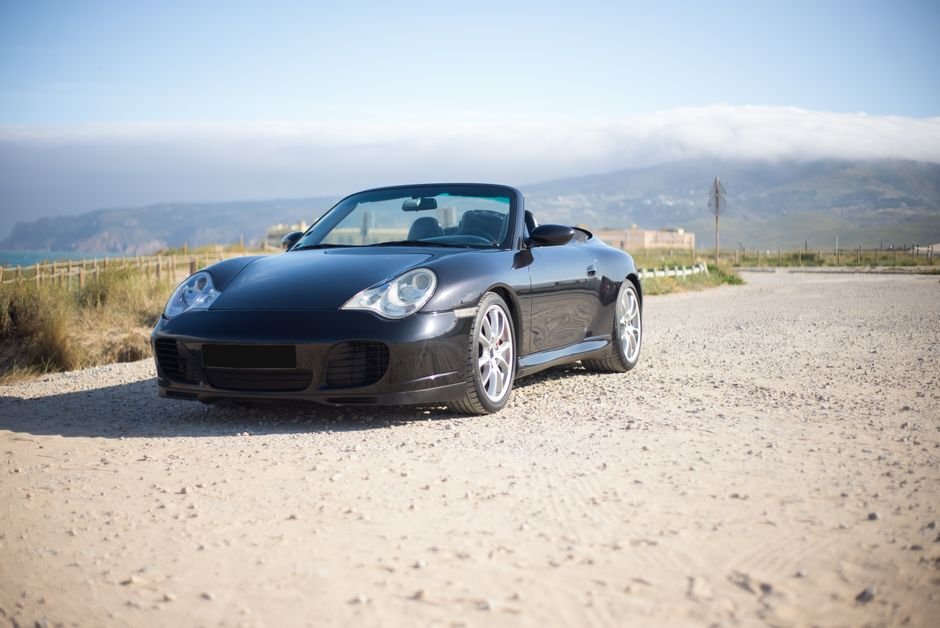
Controversial? You bet your butt. When the 996 first came out, it straight-up copied its cheaper Boxster buddy’s face. Hardcore fans? Hella mad. We’re talking those famous “fried egg” headlights. A single-piece unit Porsche designed to cut assembly time from 35 minutes to just 10. That’s it.
It wasn’t just the headlights, either. The hood, the fenders, the front suspension, even the doors. Shared. So, if you splashed out big money on a Carrera, you couldn’t tell. Was that a legendary 911 in your rearview? Or an entry-level Boxster? This cost-cutting move stung Porsche’s loyal base. Right in their prestige. Ouch.
Recognize its Brand-Saving Power
Say what you want about how it looked or its mechanical quirks, the 996 literally saved Porsche. Back in the mid-90s, the company was bleeding cash. Their last air-cooled legend, the 993? Took 120 hours to build. Practically handmade. Sales in the US? Down from 30,000 to, like, 3,000. Stricter emissions rules and slow production lines meant big trouble.
But to survive, Porsche brought in these Japanese consultants. “Shingijutsu” experts from Toyota. They sliced production time from 120 hours. To just 72. This smart way of doing things, like sharing 36% of parts with the Boxster, yanked Porsche back from the edge of bankruptcy. A brutal, necessary move. Even if some purists felt its soul got shoved aside.
Explore Driving Dynamics
Despite the rough history, get a 996 out on the road. Its sins? Quickly forgiven. When the engine isn’t self-destructing, it gives you a pure, engaging ride. A real German sports car feel. Steering is direct. Raw feedback.
Especially if you can snag a GT2 or GT3 model. These aren’t your average 996s, no siree. They got the legendary Mezger engine. Bulletproof. Race-proven. Came straight from the Le Mans-winning GT1 car. We’re talking proper dry-sump everything. Plain bearings. Nikasil cylinders. Forged steel or titanium rods. And another thing: these were beasts built for tracks, not garage meltdowns. Just a totally different vibe from the standard M96. So, if you want a 996 for serious driving on California’s canyon roads? The Mezger-powered variants, that’s the holy grail.
What About the Inside? Quirks
The money-saving stuff didn’t stop at the engine or outside looks. Older cars had real leather. Good metal. The 996? Introduced cheaper plastic trim. And to hide that cheap feel, Porsche smeared “soft-touch” rubbery paint everywhere. Center console. Buttons.
At first, it looked fancy. Matte, even. But with time, sun, and temperature changes — especially that California sunshine — this coating just broke down. And it got sticky. Gummy, too. Would peel off with a light scratch, showing ugly, cheap plastic. Cleaning it often meant scraping or using harsh chemicals. Definitely doesn’t scream “classic cruise aesthetic.”
Transmission Talk
So, Porsche needed automatics. To sell more cars, especially in the US. Instead of designing a fancy sports car auto, they just went cheap. Super cheap. A Mercedes-Benz 722.6 torque converter automatic. Same one you found in heavy luxury sedans, diesel taxis. Even vans.
Marketed as “Tiptronic S”— it was sluggish. Slow to shift. Totally choked the engine’s spirit. Pressing those steering wheel buttons for a gear change? Felt like watching paint dry. This transmission simply wasn’t made for a screaming sports car. For a real Porsche 996 California driving adventure, always go for the manual gearbox. It’s the only way to feel its true nature.
Embracing its Pop Culture Fame
Here’s the massive paradox. Despite the “fried egg” headlights and mechanical worries, this car became an icon. The despised design? Immortality. As Sally Carrera in Pixar’s Cars. A huge irony. Crazy, right? Turning its most hated feature into something millions adore. It adds a unique dimension. Fun family stuff. Perfect for chats during a California theme park visit or scenic drive.
Ultimately, the 996 is a car of opposites. It’ll never be fully praised. Too many mechanical issues. But it’ll always be respected. Because it saved an empire.
Got Questions?
-
Q: What are the main engine issues to watch out for in a Porsche 996?
A: The big worries for the M96 engine? IMS bearing blowouts. RMS oil leaks. And bore scoring. Stuff that kills the engine, no joke. -
Q: How did the Porsche 996 save the company from bankruptcy?
A: Look, Porsche was basically broke by the mid-90s. Expensive production. Sales tanking. But the 996? It shared parts with the Boxster. And they learned to build cars way faster. So, it pulled them back. Saved the whole company. -
Q: Why are Porsche 996 GT2 and GT3 models considered more reliable?
A: Because GT2 and GT3 cars got the Mezger engine, that one. It’s a proper race motor. Dry-sump. Strong bearings. Nikasil cylinders. Super tough. So, none of the M96 issues. It just runs.